

After a dental implant: what can you eat and what should you avoid?
What can you eat directly from dental implants after implantation?
In the office, Árpád sat down on the chair a little unsteadily.
- Doctor, now that I'm through with the procedure, I'm a little confused. What can I eat in the first few days? I don't want to jeopardize my recovery.
The doctor replied in an encouraging tone.
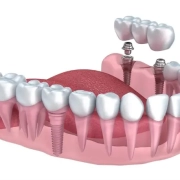
- It's completely understandable, Árpád. In the first few days, the most important thing is to be gentle. dental implants The tissues around the mouth are still very sensitive at this time. We recommend soft foods. For example, yogurt, cream soup, boiled vegetables, soft eggs or smoothies. The main thing is that nothing requires strong chewing.
Árpád nodded, then continued, a little worried.
- And what is it that I should definitely avoid?
- I don't recommend very hot foods for the first 48 hours because they can increase blood flow. Chewy, hard foods can overload the implant area. Seeds, chips, or crusty bread can easily get into the fresh wound and cause irritation.
When can I switch to a normal diet?
The next question came quickly.
- Okay, that makes sense. But when can you eat properly again? Do I have to eat mushy things for weeks?
The doctor patiently formulated the answer.
- Fortunately, no. Most patients can cautiously start eating slightly chewier foods after a week. The implanted artificial root is very stable, but the surrounding tissues are still healing. Therefore, for the first two weeks, chew only on the side where there was no intervention. It is worth waiting for three to four weeks with hard meats, raw vegetables and crunchy snacks.
Árpád sighed in relief.
- Then this won't be as difficult as I thought. And what about coffee?
The doctor smiled.
- Coffee is okay, just don't drink it hot. Very hot drinks dilate blood vessels and can slow down healing. However, lukewarm drinks don't cause any problems.
What habits help achieve long-term stable results?
Árpád asked another question, as if he was surprised by how curious he was about so many things.
- Speaking of which, are there any special dietary rules for the long term? I've heard that certain foods are not good for the titanium screw.
The doctor shook his head gravely.
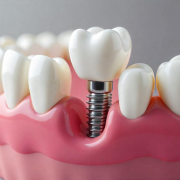
- The implant is not sensitive to food. The problem is more likely to occur when the periodontal ligament is overloaded. There are foods that can seriously damage the crown, such as very sticky sugars. These do not endanger the implant, but the surrounding tissues and gums. Good oral hygiene is more important for long-term success. You don't have to give up hard foods completely, just eat them with caution.
- So can I return to my normal diet if I follow the cleansing rules?
- Exactly. One of the advantages of implant-based solutions is that they behave just like natural teeth. If you clean them properly and return for annual check-ups, the long-term result will remain stable.
When can a person chew fully again?
Finally, Árpád asked one more question.
- And when will this all become so strong that I can actually eat anything?
The doctor continued in a reassuring tone.
- It usually takes three months for the bone to grow together with the implant. This is called osseointegration. When this happens, the chewing force will be completely similar to that of natural teeth. From then on, you can eat almost anything. So a successful post-implant diet is not about restrictions, but about gradual loading.
Árpád stood up, smiling.
- Thank you, Doctor. I feel much calmer now.
- You are very welcome. The most important thing is to be careful in the first few weeks, and then you can enjoy food again without any problems. dental implants and it will serve you for a long time.