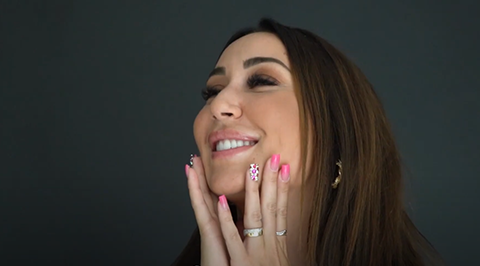


When the gums show too much – gingivoplasty solutions to reduce the gummy smile
Gingivoplasty when treating the causes of a “gummy smile”
The term “gummy smile” is used when a disproportionately large area of gum is visible when smiling. This can have several different causes: excess soft tissue, vertical overgrowth of the upper jaw, a short or hyperactive upper lip, or a short clinical crown, when the crown part of the tooth is partially covered by gum. Gingivoplasty can be recommended if the problem mainly stems from the disproportion of the gum tissue, and the gum margin can be safely re-contoured while respecting the biological width. The decision is always preceded by personalized diagnostics: photo documentation, smile analysis, probing depths, assessment of bone level, and CBCT if necessary. This way, it can be determined whether the gummy smile is caused by soft tissue, bone, lip, or a combined cause, because only by knowing this will the gingivoplasty truly targeted and lasting.
What procedures are possible?
In milder cases, crown lengthening surgery provides a natural result. In cases of soft tissue dominance, gingivectomy may be sufficient, which gently redraws the gum contour and optically “enlarges” the teeth. If the bone level is too close to the new gum line, bone correction combined with flap surgery is necessary to ensure that the biological width is not damaged and the result remains stable. In the case of a hyperactive upper lip, the problem is not the position of the teeth or gums, but the smile dynamics, in which case lip repositioning surgery may be considered. In certain, particularly mild cases, temporary botulinum toxin treatment can reduce lip elevation, but this is not permanent and subsides within 3–6 months. If the cause of the gummy smile is vertical maxillary overgrowth, the gingivoplasty It is not enough on its own, and orthodontics or – rarely, in severe cases – orthognathic surgery comes into play. The bottom line: we always choose a method for the cause, because poorly indicated gingivoplasty gives short-term and unpredictable results.
Gingivoplasty: patient experience and expected results
Most patients notice a more harmonious smile line immediately after treatment, but the final contour can be assessed after the soft tissues have calmed down, approximately 6–12 weeks. With a well-planned gingivoplasty, the proportions of the teeth become more balanced, the papilla shapes become more uniform, and the optical effect of “short teeth” disappears. The keys to durability are precise surgical technique, respect for biological width, the appropriate bone-soft tissue relationship, and the patient’s cooperation. Experience shows that the most satisfied patients are those in whom the extent of the intervention is adjusted to the facial expression, rather than “overcutting”. The gingivoplasty This gives a natural, non-artificial appearance and can remain stable for years. It is realistic to expect that the smile will be discreetly refined, rather than completely changed overnight.
Gingivoplasty follow-up and risk reduction
The goal of the healing phase is to reduce tissue stress and maintain cleanliness. A bland diet is recommended for the first 7–10 days, and very hot, spicy foods and smoking should be avoided, as they can slow down regeneration. Chlorhexidine rinses, soft toothbrushes and gentle cleaning are recommended as directed by the doctor. The procedure usually causes mild discomfort, which can be treated with over-the-counter pain relievers. We check the stability of the new contour, the condition of the marginal gums at check-ups and, if necessary, adjust with fine polishing. Long-term success may require professional cleaning, regular home oral hygiene and dentures or veneers that match the aesthetic goals. If the gummy smile was partly due to orthodontic reasons, surgical gingivoplasty Combined with orthodontics, it brings the most predictable, lasting results.